
Decide what your fence needs to do
A fence can mark the edge of a garden, screen a patio, guide visitors to the entrance or separate areas used by pets and children. Different priorities lead to different choices. An open panel next to a front path allows a view through it, while solid screening may suit a seating area farther from the entrance. Both can be part of the same garden. Before asking for a price, note where you need privacy, where you want to retain a view and which points must remain accessible.
MONSA plans and installs fencing, privacy screens and gates around Grevenbroich. We discuss the route, materials, ground conditions and height before agreeing on the scope. A short plan with approximate lengths and photos helps identify turns, slopes and connections to existing structures. It also shows whether the work involves replacing a fence in the same place or moving the line. Confirm the intended boundary and any permissions applicable to your property before the location is fixed.
Compare steel mesh, timber and composite
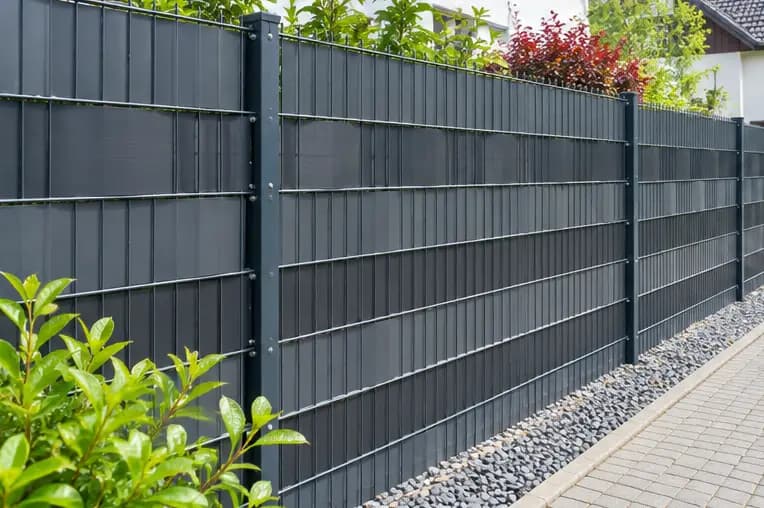
Double-wire steel mesh creates a clear boundary while allowing light and air through the openings. It can be useful beside planted beds or where you want to maintain a view. Some systems accept privacy strips, but adding them changes how much wind the panels catch. Exposure and the ground on the route matter when choosing posts and screen sections. For a site open to strong wind, show which direction the wind usually comes from and where the desired screening will stand.
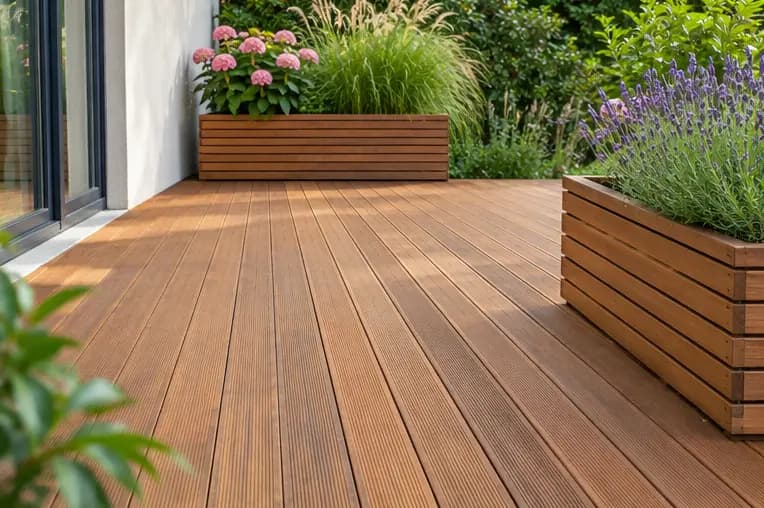
Timber has natural variation in grain and colour. It can be a good fit beside a deck or existing timber features, provided the finish and maintenance suit the location. Composite panels offer a more uniform look and can suit a lower-maintenance preference. Wet, shaded positions and exposed sunny sections can affect appearance over time for different materials. Consider the whole route rather than choosing from a single small sample. Ask how partial shade, a hedge or a wall may change how a material looks at your site.
Plan screening where it is useful
It is often enough to screen the part of a garden where privacy matters most. Look from the patio or window towards each neighbouring view. Note whether a screen needs to run the entire boundary or whether a shorter run would cover the view comfortably. If you want to sit in the sun in spring, check what shadow a taller screen could cast. Where a screen meets a hedge, leave enough space to reach the planting for care.
Privacy is also affected by the slope of the ground on both sides. A screen that looks tall from one side may have less effect from a higher neighbouring area. Photos from both ends of the proposed line help make this clear. If you want a panel around a small outdoor seating area, describe where people sit and the direction they look. The goal is to plan the location around how the garden is used, rather than adding the same screen panels everywhere.
Work out heights, levels and transitions
A sloping route may be planned with stepped sections or an alignment that follows the change in level, depending on the chosen system. Steps can make the top of a rigid panel easier to align, but the gaps beneath it may vary. If keeping small pets within the garden is important, discuss those gaps and the points where the fence meets walls and gates. Mention raised beds, retaining edges and changes in the paving level.
Check how the new installation will join existing walls, hedges or fencing. A corner might need different posts or an adjusted panel length to avoid leaving a narrow gap. Take photographs of the transitions, including from the side that shows the change in height best. Tell us if there are underground lines, irrigation or existing post foundations you know about. These details affect how the route can be prepared and may need to be resolved before work starts.
Choose gates by everyday use
A gate used only by a person with shopping bags is different from one that also needs to admit garden equipment, bicycles or a small trailer. Measure the clear opening you need rather than only the width between two points on a sketch. Look at the space required for the gate to swing. An uphill path, nearby step or parking bay may limit the direction in which it can open. Decide where a latch is convenient when approaching from both sides.
If there are two entrances, consider how often you use each. A front gate may need to be easy to operate every day, while a wider service gate can remain closed most of the time. Explain which entrance must remain usable while work is taking place. Photos with a door or wheelbarrow in the frame can make the scale easier to judge. Discuss closing and access details in advance so the gate fits the way people actually use the property.
Replacing an existing fence
Look at how the existing panels and posts are fixed. Some posts may sit in concrete, some may be attached to a wall and some may be part of a neighbouring structure. Photographs help distinguish removal work from the installation itself. Tell us whether the old fence should be taken away, whether any sections are to be kept and whether plants must remain in place. The condition of an old fitting is not always visible until it is exposed, so mention what you know about previous work.
If the fence line is being changed, mark the new route and the old one separately. Where a hedge or thick shrubs grow along the existing line, show which planting can be cut back and where you need to retain it. Fencing and hedge maintenance can then be discussed as distinct tasks. If the existing fence is important for access or pets, agree how the garden will be used during the replacement.
What affects the scope and price
The quote depends on more than metres of fence. Height, screen inserts, the type and number of gates, the condition of the ground, corners and changes in level all matter. Removing an old installation and carrying material through narrow access can also affect the proposed work. Compare proposals by looking at the included panels, posts, gates, removal and site preparation. If materials are supplied by you, state their dimensions and what fittings are available.
Send a short description of the fence's purpose, approximate route lengths, preferred materials, planned height and gate positions. Include wide photos of the property edge and close-ups of difficult sections. Tell MONSA which features are essential and which can be adjusted. That gives us a starting point for a layout that suits the property and avoids making decisions about levels, screening and gates too late.
Related services
Remove, repair or replace an old garden fence
Taking down fence panels is a different job from removing posts and breaking out concrete footings. Tell us what can stay, whether there is a gate and how the material can be moved out. When we discuss the job, we can specify whether removing wood, metal or plastic from the site is part of the quote.
If a gate sticks or just one panel is loose, repairing it may cost less than replacing the fence. Share photos of the damaged section, posts and full fence line. When comparing installation prices, check what each quote includes for fence length, materials, gates, footings and removal. If you are considering PVC or vinyl fencing, tell us the model so we can discuss availability and compare it with composite, timber and welded mesh.
If you only need an old fence taken down, send the approximate length and tell us if you want removal and disposal priced together. Request a fencing quote.