
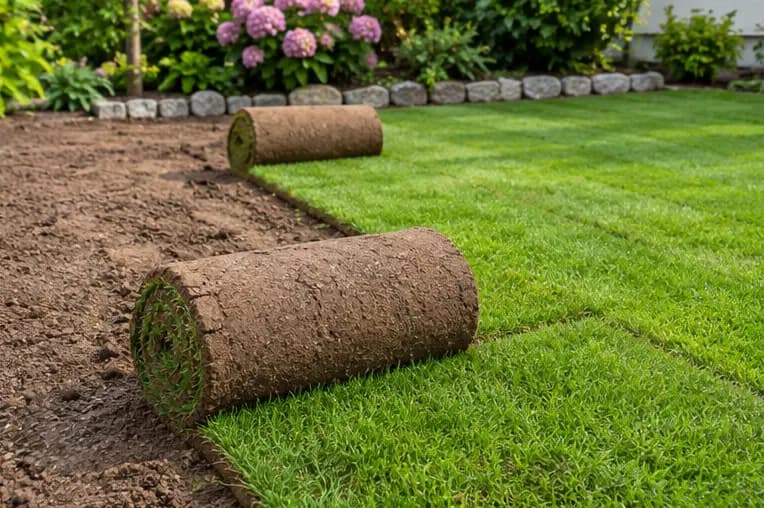
Plan the lawn before the turf arrives
A new lawn looks simple on a plan, but the work that determines its condition starts before a roll is opened. The ground needs to suit the lawn, the shape needs to fit the garden and someone needs to be able to water the whole area while it establishes. MONSA lays turf in Grevenbroich and the surrounding area. For an initial request, tell us what the lawn is for and what is on the site now. A family lawn used for play may need a different choice from a decorative area next to a terrace.
Look at the outline in the context of the rest of the garden. Will the lawn join a path or flower border? Will water drain towards the lawn from a paved surface? Can you reach the far end with a hose? A few photographs help identify these details before the work is agreed. For a new garden with other work planned, think about how soil, paving and planting will be moved around. The lawn is easier to establish when other trades do not still need to carry heavy material across it.
Assess the existing ground
A level surface is important, but the condition below the surface also matters. Tell us if water stays on the area after rain, if part of it has been compacted by building work or if there is a large difference in soil between two parts of the garden. A wide photo shows the position of the site while a close photo can show stones, old grass and debris. If you know where soil has been added or moved, mention it. Recent changes can help explain why different areas behave differently.
For an existing lawn, consider what you want to change. Parts may be thin because of shade or regular wear, while other parts may have trouble draining. Replacing the grass might improve appearance, but recurring ground or access problems should be discussed before covering them. Identify tree roots, raised edges, dips and any underground services known to you. These points affect preparation and how the new turf will meet existing features.
Prepare the surface and adjoining levels
Preparation can include removing old grass and unwanted growth, working the top layer and levelling the area. Agree what needs to be removed and what should be retained. If old turf, roots or excess soil need to be taken away, include that in the request so the handling of materials can be discussed. Where ground is uneven or compacted, the scope may differ from a site where suitable soil is already in place.
Look at the finished height along paths, garden steps and beds. A clear edge makes maintenance easier and avoids a noticeable step beside a path. The right level depends on how the area will be used and where rainwater should go. Mark existing edges you want to keep and show where a new boundary between lawn and planting will go. Curves can look good, but tight corners may be harder to mow. It is useful to consider mowing access before finalising the shape.
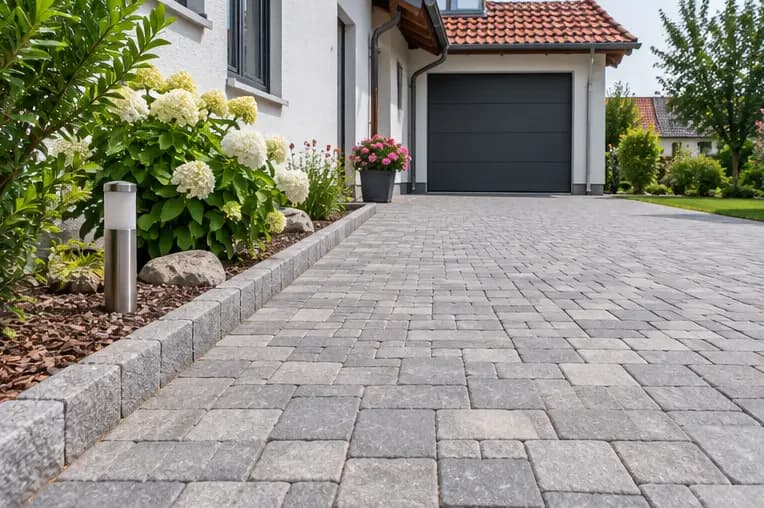
Choose turf for the way the site is used
A lawn where children play regularly is exposed to different wear from one used mainly for its appearance. Shade below established trees or beside a wall can also affect how grass behaves. Tell MONSA if sections receive little light, dry out quickly or are used as a route between two gates. Instead of asking only which turf is greenest on delivery, consider which type suits the site and how the lawn will be maintained.
Think about future changes as well. A section currently in the sun may eventually be shaded by a new fence or hedge. A seating area might put regular foot traffic along one narrow strip. If a route will continually be used to move bins or equipment, a separate path may be helpful. These decisions are easier to make while the lawn is being planned. They also make it easier to compare where to lay turf and where a different finish is more suitable.
Coordinate delivery, access and laying
Rolled turf is a living material. Delivery and installation need to fit the preparation of the ground and the conditions on the day. Make sure there is a practical route from the unloading point to the lawn. Draw attention to narrow gates, changes in level and areas where soil or turf has to be moved a long way by hand. If a driveway must stay open or parking is restricted, say so early so installation can be planned realistically.
During installation the strips need to meet cleanly and lie closely against the ground. The outline, curved edges and small gaps around features affect the work needed to fit them. A rough sketch with measurements is useful, but mark the corners and obstacles as well as the total area. If part of the garden will be laid later, identify where the first section ends. This makes it easier to plan a clear join without putting work into a part of the site that is not ready.
Water and protect the turf while it establishes
New turf needs attention after laying. The aim is to keep suitable moisture beneath the strips while roots establish in the prepared ground. How much water is needed depends on temperature, wind, rainfall and the soil. A sunny edge can dry at a different rate from a shaded corner. Check more than one part of the lawn, especially along edges, and discuss an appropriate routine for the conditions at your property.
Avoid arranging other work across the newly laid lawn while it is establishing. It helps to have a clear way to reach the hose and water the full area without repeatedly walking over the same strip. If you will be away just after installation, work out who can check the moisture and water when needed. Tell us about any limits on access to water before the job. The first stage of care should be practical for the people actually looking after the lawn.
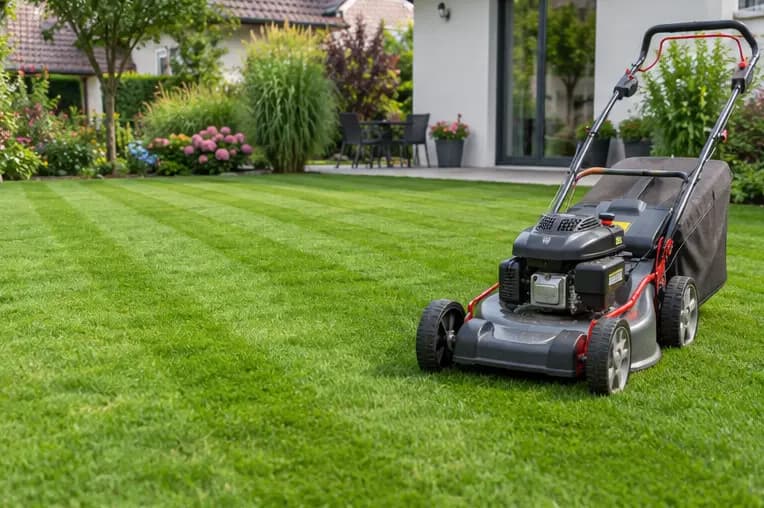
Recognise when the lawn is ready for more use
The lawn can look finished on the first day, even though the roots are still establishing. How quickly it is ready for regular mowing or heavier use depends on the conditions, not just the date. During planning, ask how to recognise when the turf is starting to anchor and what first care suits your site. If a particular corner is slow to establish, note the shade, water and use there rather than assuming the whole lawn behaves the same way.
When regular care begins, think about the routine you can maintain. An accessible edge is easier to keep tidy. A straightforward mowing route makes care quicker, especially if there are trees, beds or paths. Observe areas that are used most and which become difficult after rain. If a problem recurs, separating the routine mowing from the underlying issue helps decide what should be looked at next.
Request a quote with enough detail about the site
Send the approximate area, any measurements or sketch, what is currently on the ground and how the new lawn will be used. Include photos of the whole area, edges and entrance. Mention shade, uneven ground, places where water collects and whether you want the old surface or soil removed. Having these details makes it easier for MONSA to discuss what preparation is likely to be needed.
Ask what is included before comparing proposals. Ground preparation, laying, handling of the old surface and advice for early care are separate parts of the job. Two offers for the same area may cover different amounts of work. If other garden projects are planned, state which will happen first and when the site is ready for turf. That allows the work and the care after installation to be agreed in one conversation.