
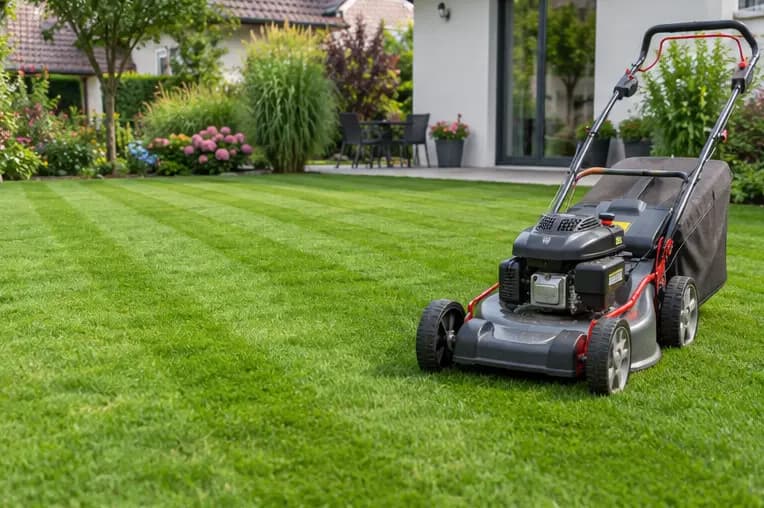
What a mowing visit should achieve
A lawn does not need to be the same height everywhere to be useful. The area around an entrance may need to look tidy and keep the paving clear. The main part of a garden may need enough room for children to play or people to walk across it comfortably. A tucked-away stretch may be used very little. Before booking mowing in Grevenbroich, decide which areas need attention and what result you expect to see. MONSA can then discuss a single visit or plan regular mowing based on those priorities.
Lawn edging is often a separate part of the visit. It defines the boundaries beside beds, walls, patios and paths where a mower cannot reach in the same way as on the main lawn. If you want the edges cleared, say which ones matter most. Some boundaries may be deliberately left softer, such as where a wildflower area meets a lawn. A brief description or photo helps show where the mowing should stop.
Take a look at the ground and access
Send the approximate area and a wide photograph that shows the lawn's shape. Note whether it is one open surface or several patches reached through different routes. A narrow side passage, steps or low branches can affect equipment. Also identify where the mower has to turn, particularly if a lawn ends near a wall or has beds cut into it. The path from the entrance to the grass is as relevant as the size of the grass itself.
Check for obstacles and surfaces that feel unusually soft. Mention stones, exposed roots, wires, sprinklers and objects that are fixed in place. Before a visit, move things that do not need to stay on the lawn, such as toys or portable furniture, where possible. Point out any areas you do not want mown. If the grass is in a garden shared with other people, make sure someone knows the intended boundaries and how access will be arranged.
Match the timing to growth and use
In active growth, the same lawn may need attention sooner than it does during a slower period. Wet weather, shade and uneven soil can also cause areas to grow differently. A fixed visit interval may suit the way you use the garden, but it should be discussed in relation to these conditions. An occasional cut can make sense for a relatively quiet lawn, whereas a path beside an area used for play may be affected sooner as the edges spread.
Observe the grass before deciding whether to bring forward a visit. If it is starting to fall across a path or become hard to walk through, note which part of the lawn has changed. If two sections are growing at different rates, tell us whether they can be handled on separate schedules. This is often more useful than describing the entire lawn as overgrown. Let MONSA know if you need a visit before a particular occasion rather than relying on a recurring date.
Deal with long grass as a distinct request
A lawn that has not been cut for some time can conceal debris, holes or other things that are hard to see. Long or lying grass also makes the amount of work less predictable. Send an approximate height and a photo with a familiar reference point. Mention sections that may have branches, hard debris or soft ground. If the longest parts are behind a gate or at the bottom of a sloping garden, show how they can be accessed.
Some lawns need a staged approach to get them into a condition suitable for ongoing maintenance. The amount of cut material can be much greater than after a routine visit. Talk through whether collection and removal are part of the request. If the area has not been used in a while, the first goal can be getting access and managing the main growth. Edging and subsequent care can then be discussed separately if they need more time.
Keep edges clear beside paths and beds
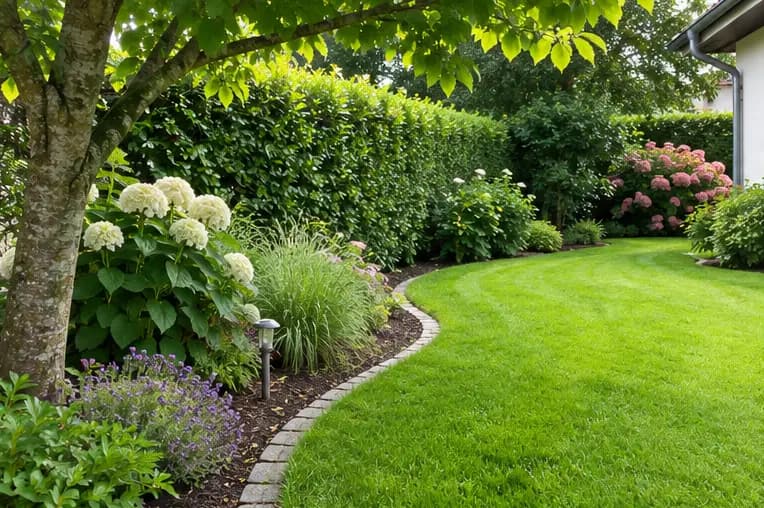
At a paved path, loose grass can catch on the edge and grow over the walking surface. At a planting bed, grass that spreads inwards can make the border harder to recognise. Decide whether you want a clear defined edge or simply to remove the growth crossing the surface. If the edge is lined with loose stones or has recently been installed, mention that before work so it can be treated appropriately.
Look at the boundaries around raised beds, tree trunks and lawns close to walls. These areas may need attention beyond a regular pass with a mower. A layout with many small shapes and tight corners may take longer to finish neatly than a single open area of the same size. For a recurring plan, identify the edges you want included each time and the less-used stretches that can be done occasionally. It helps both sides understand what a tidy result means.
Discuss whether clippings should be collected
There is no single arrangement for every lawn. You may prefer clippings to be picked up where people walk or play, or have a designated spot where the cut material can stay. Tell us if your property has a collection point or if the job should include removal. If the lawn has grown for much longer than usual, mention it when asking for collection so the extra volume can be considered.
Clippings are also more noticeable near entrances and shared paths. If there are surfaces that must be left clear at the end, point them out before the visit. For a managed property, agree who is responsible for access to the collection point. If you want existing bags or other garden material removed as well, list them separately. That keeps the mowing scope distinct from a wider clean-up.
Understand when mowing is only one part of lawn care
Bare patches, grass thinning in a shaded area and recurring pools of water can have causes other than mowing frequency. If you see those signs, describe the area and how it is used. A route people walk often can show wear even when the rest of the lawn grows well. A low point may remain damp long after the rest is dry. Tell us if repair or replacement is being considered so it can be discussed separately from regular mowing.
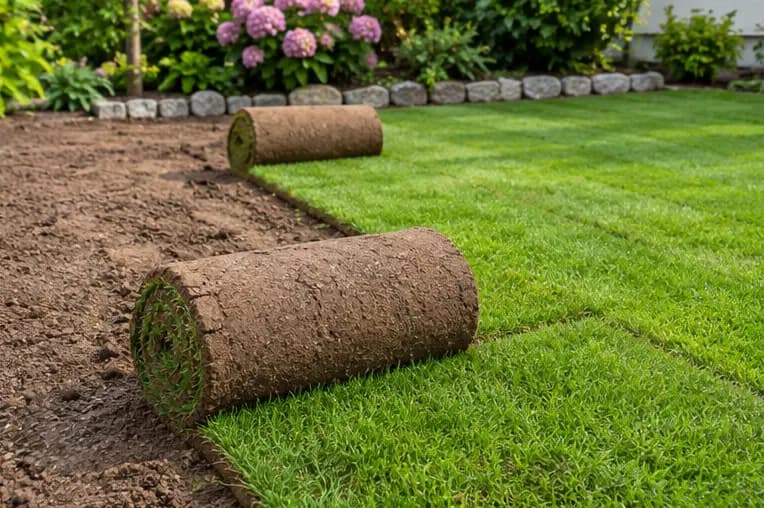
A newly laid lawn has specific early care needs while its roots establish. It should be discussed before a mowing visit rather than treated like existing grass. Explain when the turf was laid, how it has been watered and whether all parts of the garden appear to have established. An initial check can help separate what needs maintenance from what first needs time or different care.
Request one visit or agree a routine
For a one-off visit, send the address, approximate lawn size, current height and your deadline if there is one. Include the sides you want edged and explain what should happen to the clippings. Photos of access and the most difficult sections help MONSA assess the work. If the lawn is divided by steps or gates, list the parts separately so the whole job can be considered.
For recurring care, describe the typical growth, the areas used most and your preferred level of tidiness. Ask what a regular visit includes and what happens if one particular stretch needs extra work. Define how to reach the property and tell us if pets are likely to be using the garden. A regular plan is easier to update when the areas, tasks and priorities have been set out at the beginning.
Related services
Book lawn mowing and decide what to do with clippings
Send the approximate lawn area and photos of narrow passages or obstacles. If the grass is long or the lawn is split across several areas, include a wide photo of each section. Say whether you need edging and whether you want the clippings left on site or taken away. This helps us plan the first cut and discuss whether regular visits would suit the garden.