
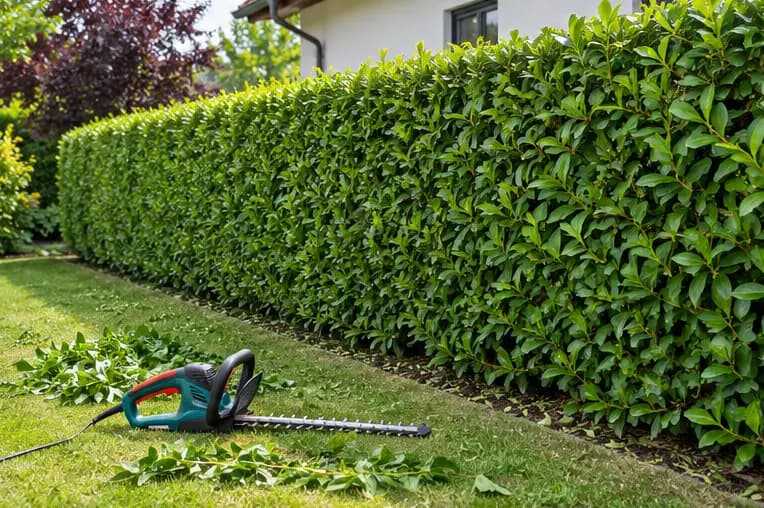
Start by deciding what needs to change
A hedge can give privacy, mark an entrance, keep a route separate from the lawn or provide a windbreak. A regular shaping trim keeps the existing outline. A different job is needed when the hedge has become too wide for a path or high enough to block light from a window. MONSA discusses hedge and shrub trimming in Grevenbroich by looking first at what you want to change. A request to tidy the sides is easier to price if you also say whether the top should stay at its current height.
Look at the hedge from a few positions. The change you want may be obvious from the kitchen window and harder to see from the path. A plant that screens a terrace can also keep a gate from opening fully. Mark the locations where clearance matters and those where you want the hedge to remain dense. If the planting includes different species, photograph each distinct section. Similar-looking plants do not always respond to the same way of cutting.
Shaping a hedge and reducing it are different jobs
Regular shaping usually involves shortening recent growth around the outline. It is often possible to plan this without changing the basic height or width. Work on a hedge which has not been cut for a long time requires a closer look. It may have thick stems close to the outer surface, visible gaps or parts that have grown into a fence. The extent of cutting affects both the appearance afterwards and the way the plant may recover.
A reduction needs to be discussed with the plant type in mind. Some plants respond differently when older wood is cut, and the result may remain visible for a long time. Be clear whether the main problem is height, spread or a particular branch. A change in one part of the hedge may solve the problem without making the same change across its entire length. The season, condition of the plant and rules applicable to the work should all be considered before agreeing the approach.
Take the right photos and measurements
Measure or estimate length, height and depth in the main sections. A narrow hedge close to a wall is different from a wide, mature hedge with open access along the back. If one section is much taller than the rest, give its dimensions separately. Take one photo from each end and photos of both faces where possible. Include a familiar object or part of the building in a wide shot if it helps show scale.
Show the areas where the cut material will fall. A hedge beside a paved path may be easier to clear than one over a bed of delicate plants. A steep bank, retaining edge or pond can change access and how the work is planned. Note where you expect a level finish and where the hedge follows a slope. If you want to use an existing gate or wall as a reference for height, mark it on a photo so it can be discussed.
Arrange access on both sides
A hedge along a boundary may be easy to reach from one garden and blocked on the other side. If you want both faces trimmed, explain how each side is accessed and whether a gate, wall or another property's access is involved. Coordinate permission with the relevant people before booking work on a side that cannot be reached from your own property. Mark which faces form part of the request. Never assume that access from the street or adjoining garden will be available.
Think about where tools will be carried and how material can be moved away from the hedge. Narrow gates, stairs and tight turns can affect the scope. Small plants and objects along the hedge may need to be moved or pointed out before trimming. If a path must stay open, tell us when it is normally used and where another route is possible. These details matter particularly at shared entrances and garden paths used throughout the day.
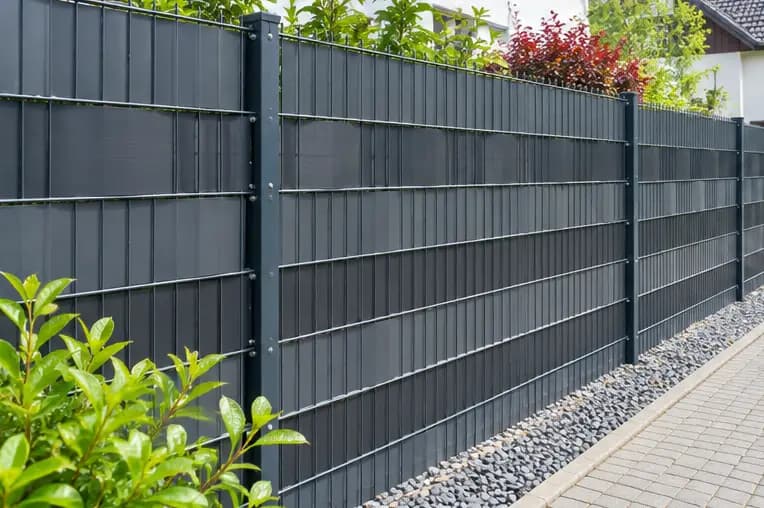
Account for season, weather and nearby planting
Timing depends on whether you are asking for a light maintenance trim or a more substantial reduction. We look at the type of plant, the work requested and applicable restrictions when discussing a date. A quick tidy during active growth serves a different purpose from longer-term renovation of an old hedge. If you are unsure which category the job falls into, send photos showing recent growth and the intended outline before booking.
A hedge is also part of a planted space. Notice whether there are young plants, containers or bulbs beside it. Point out areas you want to stay undisturbed, including any signs of wildlife that may affect the plan. Some work is easier to arrange separately from other jobs in the garden. A trim can be coordinated with tidying paths or beds, but a substantial change to a boundary may require its own preparation and follow-up.
Work out what to do with the cut material
The amount of green waste varies with the length, depth and type of cut. Light material from recent growth is quite different from thick branches from a reduced section. Tell us whether you want clippings removed, left in a designated place or kept separate from other material. If branches and bags from previous work are already waiting, mention that separately rather than assuming they will be included with the new cuttings.
Consider how clippings will reach the collection point. A narrow route through a planted garden can take longer than an open path beside the hedge. If there is a suitable point near a gate, identify it in advance. At a communal property, check that material will not block access for residents. Agreeing this before work avoids having to move the same material repeatedly or deciding where to store it after trimming begins.
Compare a one-off trim with continued maintenance
A one-off trim can be appropriate when you need to clear a route or tidy a hedge before a particular occasion. Explain the result that matters most so the work can be planned around that priority. If a neighbour or caretaker normally looks after one side, include that in the description. When some sections have been trimmed regularly and others need a more substantial adjustment, describe them separately instead of asking for the same cut all along the boundary.
For continued maintenance, observe which sections grow quickly and which get in the way first. A small hedge near a path may need more attention than a broad boundary hedge with plenty of space. A schedule can take these differences into account. Discuss how you will know it's time for another trim, such as when growth reaches a gate or a change in the outline is easy to see from the entrance.
Send a brief for an accurate quote
Share the address, approximate dimensions, desired change and photos showing access. Include the height you would like to retain, whether one or both faces need attention and what should happen to the cut material. Tell MONSA if the hedge sits on a slope or is partly hidden by other planting. If the project involves a fence installation or a wider garden tidy-up, describe which work needs to happen first.
A useful quote explains the sections and faces to be trimmed and whether removal of cuttings is included. If any areas cannot be reached safely or the proposed change needs closer assessment, it is better to identify them during planning. A clear request gives you a way to compare the proposed work and agree what the hedge should look like when the job is complete.
Related services
Book hedge trimming or ask about cutting back overgrowth
A hedge that narrows a path may only need trimming on the sides. If you want its height reduced substantially or an old shrub cut back, we consider the species, condition and suitable timing. Photos from both sides show how much room there is to work along the boundary. Tell us whether to collect the branches in the garden or include removal in the quote.