
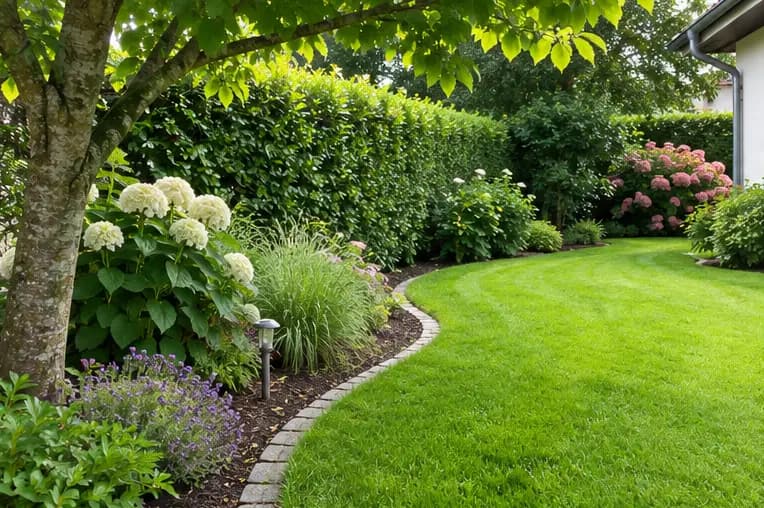
What garden maintenance covers
A garden changes week by week. The lawn puts on new growth, paths disappear behind their edges and planting beds become harder to distinguish from the plants spreading through them. Keeping everything manageable starts with deciding what matters to you. One owner wants an easy route through the garden and a lawn the children can use. Another pays most attention to the hedge along the pavement or the flower bed by the front door. MONSA agrees on those priorities before scheduling work in Grevenbroich and the surrounding area, so the time spent on site is directed towards the tasks you actually want done.
A maintenance visit can combine mowing, lawn edging, care of planting beds and light trimming of shrubs or hedges. Clearing leaves and plant debris may be more important at a particular time of year. If the garden has had little attention for a while, an initial catch-up visit can be planned separately. After that, recurring work is easier to describe and estimate because the condition of the areas and the access needed are known.
Start with a walk around the space
Take the same route a gardener would use: from the street or driveway, through the gate, past the house and into the rear garden. Note narrow passages, steps, loose paving and corners where equipment cannot turn easily. A photograph taken from the entrance often tells us more about access than a close-up of the lawn. If a gate is normally locked, include how it will be opened. Mention whether a hose or outdoor water connection is available if water may be needed, and identify any areas pets use.
Then mark the areas to work on. A photo with a few lines drawn over it can show where the lawn ends or which side of a hedge belongs in the request. Identify young plants, wildflower areas and bulbs you want to keep. In a densely planted border, a short conversation before cutting or weeding is worth the time. The aim is to retain the parts you value while getting the garden back to a condition you can enjoy and use.
Lawns and edges between visits
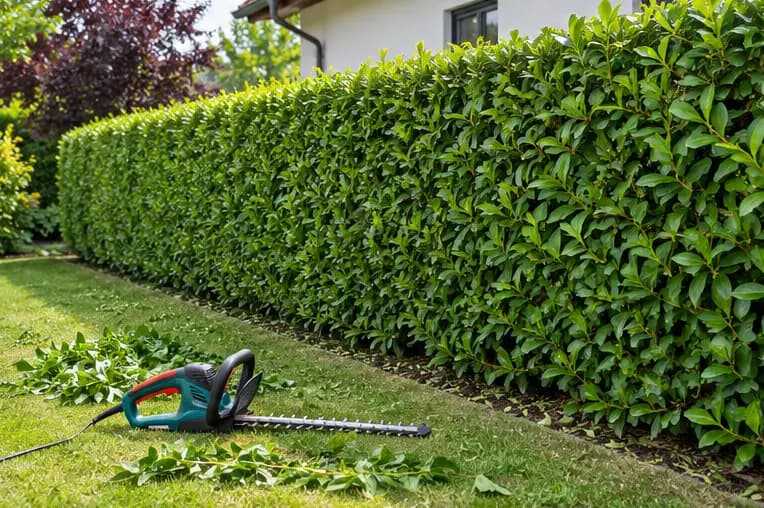
Mowing and edging have different jobs. Mowing keeps the main grass area at a manageable height, while edging restores the line along a path, patio or flower bed. The grass near a wall or beneath a low branch may need different handling from the centre of the lawn. If the grass is unusually tall or lying flat after wet weather, say so before the visit. That affects equipment, time and how much cut material needs to be collected.
How often to mow depends on growth and how the lawn is used. In the growing season, a family garden and a rarely used strip at the side of a house may not need the same frequency. A newly installed lawn also needs different care while it roots. Tell us if you see bare patches, persistently soft ground or areas that hold water. Those observations help distinguish a maintenance task from a condition to discuss separately before agreeing on a remedy.
Hedges, shrubs and planting beds
For hedges, describe the outline you want and which faces can be reached. A short trim on a low front hedge differs from work on both sides of a tall boundary hedge. The timing and method depend on the plant, the amount of cutting and the rules that apply. If a hedge is blocking a gate or narrowing a path, a photograph from the path helps identify the part that needs attention first.
In a bed, it helps to distinguish unwanted growth from plants that simply need room. Some ground covers are meant to spread and some stems are being left deliberately through the colder months. State whether you want a light tidy, removal of specific weeds or a broader clean-up around established planting. Keeping the edges clear often changes the appearance of the whole bed. For more extensive changes to the planting or hard landscaping, describe the result you want so the work can be scoped separately.
Plan with the seasons
After winter, walk the garden before making a long task list. Check how the lawn and borders have come through the cold months and where debris has gathered. Clearing paths, preparing beds and identifying branches that need attention can make it easier to decide what to tackle next. The first few visits can be weighted towards tidying, with more attention on mowing and recurring bed care once growth picks up.
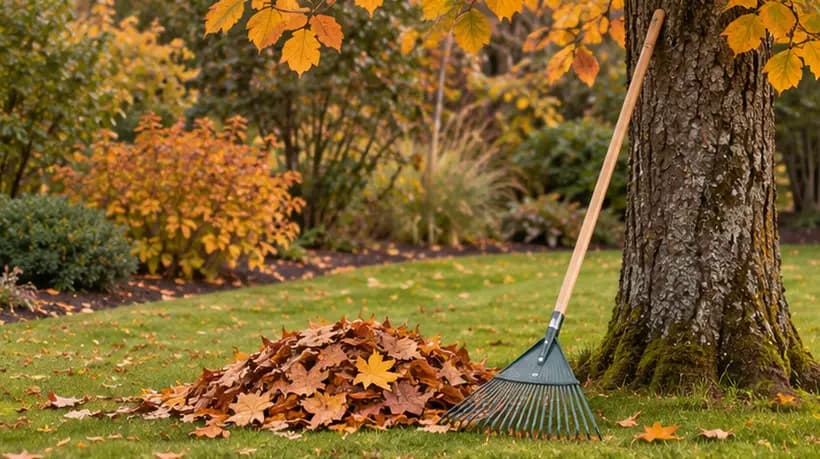
In summer, growth and weather may call for adjustments. A planned visit can focus on the areas that need work most instead of treating every task as equally urgent. In autumn, leaves collect at gates, along the edges of paths and in corners where they are hard to sweep. Agree whether to clear those areas only or include beds and lawn too. Tell us if you want to keep some leaves in a designated place for your own garden use.
Compare a one-off visit with recurring care
A one-off visit suits a particular event, a seasonal clean-up or a period when you are unable to do the work yourself. Be specific about the result you need on that day, such as a clear entrance and manageable lawn before guests arrive. If several areas are overgrown, list them in priority order. That makes it easier to agree on an achievable scope and to decide separately whether any larger tasks should follow.
Recurring care works well when the same tasks return throughout the year. The useful question is which areas benefit most from a regular visit. The lawn might need steady attention while one hedge needs only an occasional trim. Seasonal work can be planned outside the recurring tasks. For a shared garden or residential complex, it also helps to name the person who can confirm changes and to agree in advance how equipment reaches the site.
Estimate time, access and waste
Two gardens of the same size can take different amounts of time. A flat lawn with a wide entrance is different from several small lawns connected by steps. A boundary hedge with access on both sides is different from a hedge pressed against a fence. The amount of cut material, the distance to a collection point and the condition of the ground all affect the work. Photographs showing the wider space make these differences easier to understand.
Agree what should happen to leaves, clippings and other green material. If you want to keep it on site, identify where it should go. If it needs to be taken away, tell us roughly how much there is and whether it already includes branches or bags from previous work. Discuss any other materials separately so the scope of the garden work is clear. Knowing what should be left on site avoids having to decide while the work is in progress.
Prepare a useful request for MONSA
Send your location, the main tasks, the approximate size of the areas and your preferred timing. Include a wide photo of the garden, a photo of the entrance and close-ups of the places that need extra attention. If you are considering regular maintenance, say what you want to follow up on at each visit and which tasks can be scheduled seasonally. For a one-off visit, describe what should be finished first if the garden needs more than one session.
With those details, MONSA can discuss whether a single visit is enough or a series of tasks needs to be planned. Once the scope is agreed, note any preparations for the day, such as moving toys from the lawn, securing pets and making the gate accessible. A clear handover at the beginning leaves time for the practical work and makes the finish easier to assess together.
Related services
Garden maintenance and one-off gardening help in Neuss-Norf
If you need help with garden work in Neuss-Norf, ask about a single visit or an ongoing schedule. A visit can combine lawn mowing, edging, weeding in beds and clearing paths. Mark the plants you want to keep on a photo and show where weeds have spread. For hedge work, include its approximate height and length. See our service area for details on requesting work in Neuss and nearby towns.