
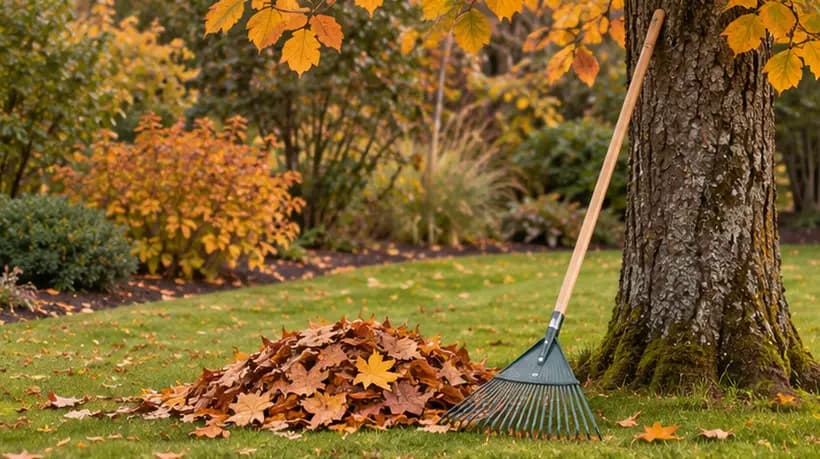
Decide what a garden clean-up should leave behind
A garden clean-up is most useful when you can describe the condition you want afterwards. You might want a clear path and entrance after autumn leaf fall, clean beds before new planting or access to areas that have become difficult to reach. MONSA clears leaves, plant debris and unwanted growth around Grevenbroich. We first agree which parts need attention and which planting, surfaces or materials should stay. That makes the result easier to judge and avoids removing things that serve a purpose in the garden.
Walk through the garden before writing a long list. Start with places you use every day or need to reach soon. A slippery-looking path covered in wet leaves is a different priority from a bed at the back of the garden that you plan to replant later. If you want only one part cleaned first, say what would make that visit useful. The rest can be discussed separately once the urgent areas are in order.
Separate the areas and identify the material
List the surfaces to be cleaned. Paths, steps, terraces, lawns and planting beds do not all need the same treatment. On a path you may mainly want loose material lifted and collected. In a bed, cleaning may mean removing particular unwanted plants or stems while leaving others that will grow again. The planning works better if you can identify the problem for each surface rather than asking for all vegetation to be cleared.
Describe what is on the ground. Dry leaves, wet leaves, recent cuttings and old branches are different to handle. Wet material can be heavier and sit tightly against a surface. Long branches need room to move out of a garden and may have to be dealt with separately. If there are bags or heaps from previous work, mention them in the request with approximate size or photographs. A pile is not always visible in a wide shot of the rest of the garden.
Protect the planting you want to keep
Some beds are hard to interpret at first glance. A young plant may look similar to the growth around it, and bulbs may be present even when little is visible above the ground. Point out plants, ground cover and wildflower areas you want to retain. Photos with arrows or a simple sketch can make this clear. Where plants need particular care, a walk around the border before work begins can save time and prevent uncertainty later.
It can also be useful to decide which beds should be tidied now and which are being left for the season. Not every stem needs the same treatment and not every leaf must be collected from every planted area. If you want a specific look beside the house or entrance, explain that priority. In quieter corners you may prefer a lighter touch. Clear boundaries help prevent a request for tidying from being interpreted as removing all the growth or changing the layout.
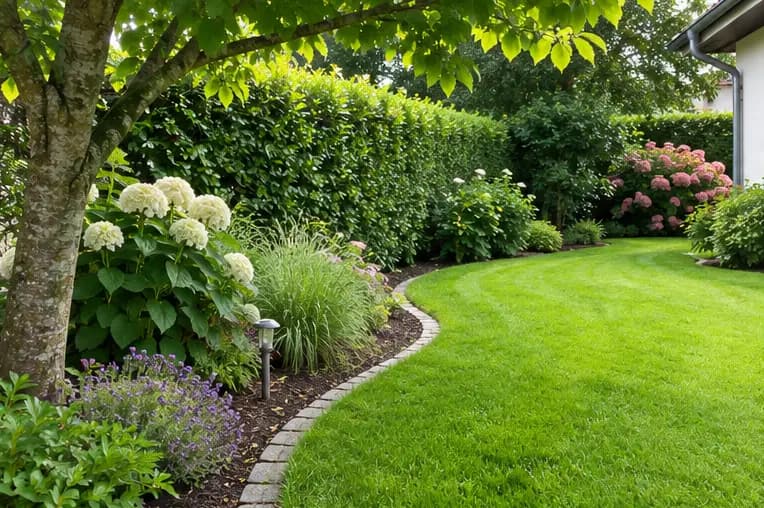
Plan the work around leaves and weather
Autumn clearing often works best when the route and timing match the areas you use. Certain corners collect leaves early, while other areas stay manageable until more trees have shed. Look near gates, beneath hedges and along edges where leaves gather out of sight. If you want the paths clear before a particular date, mention the date and which routes matter. Recurring clearing during leaf fall and a single visit afterwards are two different ways of planning the work.
A spring clean-up can reveal what needs attention after winter. Debris may hide the edge of a path or make a bed difficult to assess. Once the loose material is gone, you can see whether normal garden care, mowing or separate repair is needed. Tell us if you plan to replant a bed after the clean-up or need a surface ready for other work. The next step determines how much preparation should be included in the request.
Deal with growth and clutter separately
There is a difference between removing loose debris and tackling areas covered with unwanted growth. Some plants have shallow roots and are easier to clear. More established growth may have spread beneath a surface or into other plants you intend to keep. Show us where it occurs and describe the result you expect. For one visit, focus on the sections where clearing will make the greatest difference to access or future care.
Unrelated material can also be present in a garden, such as old pots, paving pieces or timber. Do not assume these are part of garden waste. Point out each type and say what should stay and what should be discussed for removal. If there is other work underway, identify what belongs to it. Keeping such material distinct from leaves and cuttings makes the scope of a garden clean-up easier to plan.
Sort out access, storage and green waste
Show the route from the collection point to the areas being cleaned. A long path can look simple on a plan but be difficult to use when it has steps, tight corners or valuable plants along the edge. Mention gates that need opening and any place where equipment cannot pass. For a shared garden, note which routes residents need to use and where temporary storage would be inappropriate.
Agree whether the collected material should be taken away or left in a designated place. If you want to keep clean leaves or other material for your own use, explain which type should be kept separate and where it should go. For waste already on site, include a photo and note if it contains branches or mixed material. A clear agreement about removal prevents an otherwise tidy finish leaving a pile where you need access.
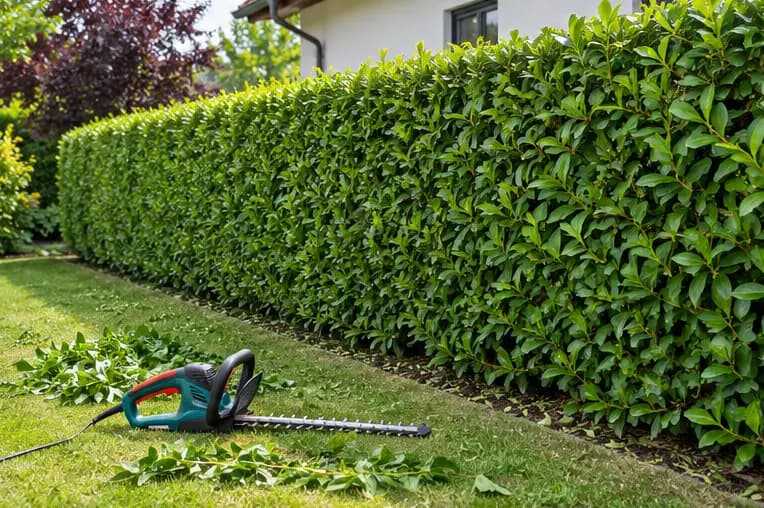
Combine a clean-up with other garden work where it makes sense
A clean-up sometimes fits with mowing or a light hedge trim. Removing fallen material first can make the edges of a lawn or bed easier to see. In other situations a trim produces more material, so clearance can sensibly follow it. Tell MONSA which jobs you want to combine and why. The scope and order can then be discussed around the actual state of your garden rather than assuming every task should happen in one visit.
If your garden has been neglected for a long period, decide how much needs to be restored at once. A clear entrance and garden path may be useful even before the most overgrown section has been dealt with. Following an initial tidy, you might want a routine for mowing the lawn, trimming hedges and controlling growth on the edges. A staged approach can make the amount of work easier to understand and lets you choose what to do next after the main areas are visible again.
Prepare photos and a short list for your request
Send the location, the areas that need attention and what you want removed or kept. Wide photos are useful for estimating the area and access. Close-ups show the type of debris or the plants you want us to work around. Include whether waste should be removed, whether there are existing piles and any deadlines you have. If the garden is hard to reach, give the access route and note what will need to remain open.
For a quote, compare the scope rather than only asking how long a clean-up takes. Two gardens of a similar size can have quite different amounts of material. Clarify which surfaces, edges and beds are included and what should happen to the material once it has been collected. Once the scope is understood, it is easier to agree a visit that addresses the right areas and leaves the garden ready for your next step.
Related services
Tidy an overgrown garden and list items for clearance
Send photos of paths, beds and corners that need clearing. On your list, distinguish leaves, weeds and cuttings from old planters, garden furniture and other items. For garden clearance, give the approximate size, material and number of bulky items. That helps us agree which things can be taken away during a visit and which need a separate collection.