
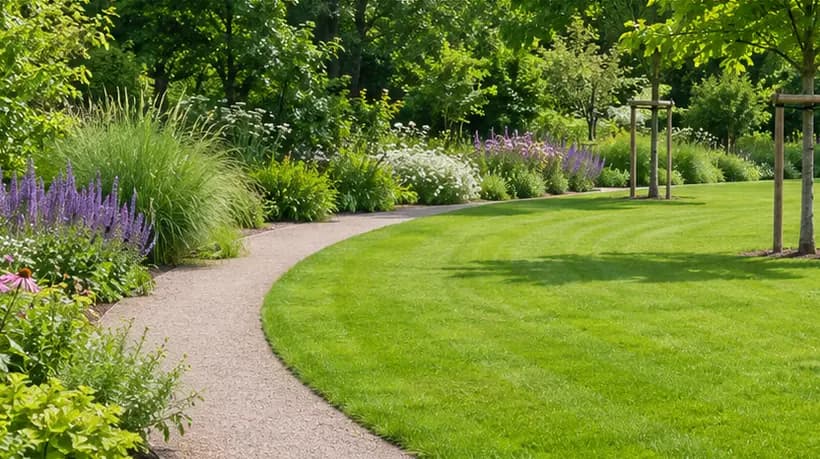
Define how each part of the grounds is used
Shared green spaces have to serve several needs. The lawn next to a reception entrance is seen by everyone, while a quieter strip beside a service yard may mainly separate uses. A central garden can be a place for people to sit or walk, while planted edges need enough room to grow without narrowing paths. MONSA provides grounds maintenance for residential and commercial properties around Grevenbroich. The starting point is deciding where care is needed most and how everyday use influences timing.
Make a short list of the zones you want to include. Specify the main lawns, edges, beds, shrubs and any routes where leaves regularly gather. Some parts may belong to another organisation or be maintained by a different contractor. Mark those boundaries. When a site has more than one entrance, label them in the same way that staff or residents do. This helps define the property in practical terms instead of relying on an address alone.
Describe the work for lawns, beds and planted edges
For lawns, state whether mowing is needed over the full surface and which edges should be maintained. On a large site, there may be small patches beside parking spaces or around signs that are easy to overlook. Show them in the request if they matter. Identify surfaces where clippings must be collected and whether the site has a suitable collection point. Where there are soft areas or slopes, describe them separately from flat, accessible lawns.
For planting beds, distinguish between light weeding, care around established plants and more extensive seasonal work. Tell us where ground cover should be left and which plants need to stay undisturbed. A hedge or group of shrubs may be managed for a particular outline, for privacy or to keep access clear. Make these differences explicit. A plan based on the function of an area is easier to maintain than a description that asks for all planting to be treated the same way.
Give the most used areas an appropriate level of care
Not all areas need the same interval. The views from a reception area or main path may benefit from more attention than an edge outside the usual route. Likewise, a lawn people cross every day can develop wear patterns that are not visible on the plan. Notice where growth limits movement, where clippings tend to collect and which areas of the grounds are most often commented on. These details can guide the order and frequency of the work.
List which areas should be addressed first during a visit. If the site has different priorities at different times, state what changes. An outdoor seating area may be busy in warm months, while certain paths are especially important during leaf fall. The purpose of setting priorities is to give the team a sensible order, not to make other areas invisible. Agree whether those less intensive areas need occasional checks or work only when requested.
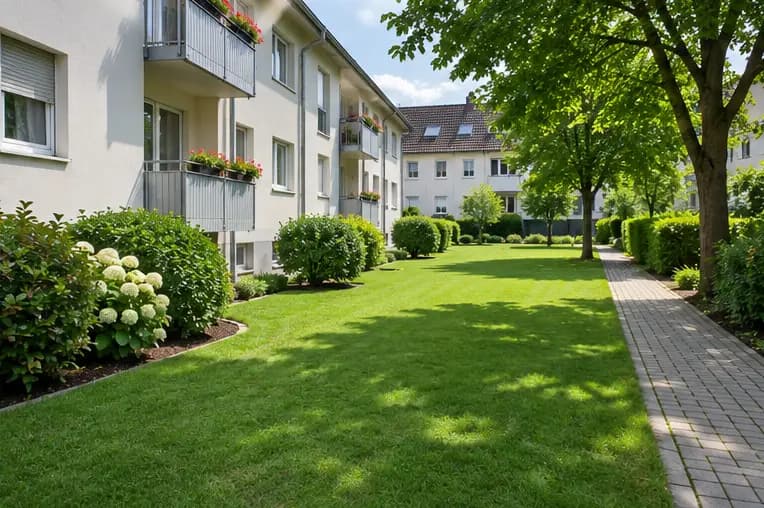
Agree workable access at an occupied property
Grounds maintenance at an occupied property has to fit the routes people already use. Deliveries may take place at one entrance while residents or staff mainly use another. Provide the correct access point for work and explain where equipment can be unloaded without blocking a route. If there are sensitive periods, parking restrictions or gates that must be secured, mention them before the schedule is agreed. Walking the route in both directions can reveal practical details a site plan misses.
For commercial properties, check what happens around arrival times, deliveries and breaks. At a residential site, note where prams, bicycles or people with limited mobility normally pass. Tell us which routes must stay accessible and whether a temporary change is possible. If access changes during construction or there is a special event, communicate it through the agreed contact. This allows the maintenance work to be adjusted around how the grounds are actually used.
Plan seasonal work alongside recurring maintenance
A recurring schedule can cover mowing and bed care, while seasonal work is reviewed separately. Spring may involve checking the condition of lawns and planting after winter. During periods of growth, mowing and edging are often the main tasks. Autumn can bring extra attention to paths and corners where leaves collect. The timing depends on the condition of the grounds, not only the month shown on a calendar.
Look for the parts of the site that change most between seasons. A shaded walk may collect leaves long before a more exposed area. A planting bed may need attention at a different time from the lawn beside it. Decide which seasonal jobs should be included and which can be agreed as needed. Make the plan clear enough that a new property manager or site contact could understand what is covered without having to rely on memory.
Handle green waste without disrupting the property
Agree where cut material can be collected and whether it should be taken away. On a site with several lawns, moving clippings along a narrow path may take more time than collecting them directly from a nearby access point. A collection spot should not obstruct building entrances or a route that must remain in use. Tell us if there is an existing place reserved for green material and if it can hold the expected amount.
Leaves, fine clippings and branches may need different handling. If there is material already on site before work begins, identify it separately. Communicate any areas where equipment or bags should not be placed, for example newly planted ground or a narrow access route. An agreement made ahead of the visit helps leave the grounds in the intended condition and avoids confusion about what should stay at the property.
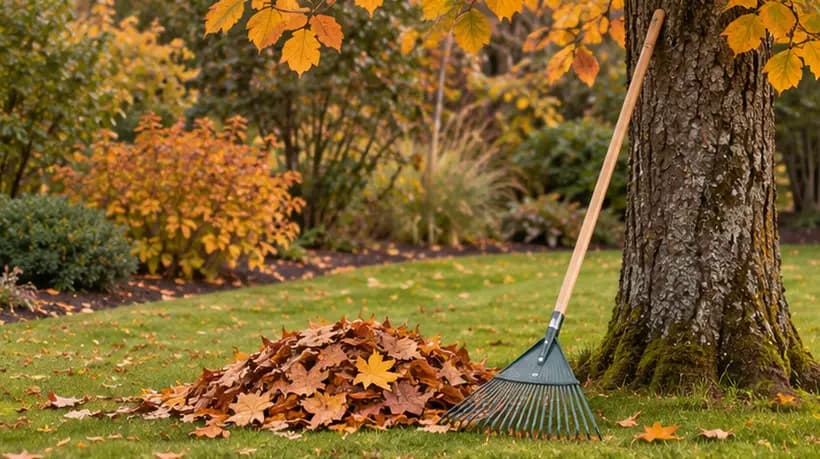
Keep an eye on how the grounds change
Regular visits make it easier to notice changes. A worn line across a lawn can show where people prefer to walk. Water that repeatedly collects beside a path may suggest a different issue from routine upkeep. A shrub that has started to make access difficult may need a separate assessment before cutting beyond the normal scope. Note these changes and make it clear who can decide whether further work is needed.
A maintenance plan can be updated when use or conditions change. If part of the site is closed for building work, agree how the remaining areas can still be reached. If a new planted area requires specific care, include it explicitly and decide whether it needs a different interval. Review whether the most visible and used areas are receiving the right attention before adding tasks for the entire property. Small adjustments can be more useful than changing the whole schedule.
Provide enough detail for a grounds maintenance proposal
Send the address, a marked plan or photos of the areas, the preferred tasks and how often they are expected. Include access points, places that must stay open and plans for collected material. For larger properties, it helps to separate lawns, planting and paths by area. Say which tasks should be recurring and which are seasonal. MONSA can then discuss a scope based on the conditions and priorities of the property.
When comparing proposals, review which areas and tasks are included and how changes are agreed. A regular visit to maintain lawns and beds is different from a one-off job involving extensive clearance. Check whether leaf removal, edging and waste handling are included where required. The proposal should be clear enough that the person responsible for the property can recognise what will be done, how the areas can be reached and how to discuss a change when needed.